

SEAMEO
Vision
A dynamic, self reliant, strategic policy-driven and internationally recognized
regional organization for strengthening regional understanding and cooperation
in education, science and culture for a better quality of life.
Mission
To enhance regional understanding and cooperation and unity of purpose among
SEAMEO Member Countries and achieve a better quality of life through the establishment
of networks and partnerships the provision of an intellectual forum for policy
makers and experts the promotion of sustainable human resource development.
Goals
- To develop regional Centers of Excellence of international standard.
- To provide relevant and excellent programs in training, research and development,
information dissemination and policy analysis and evaluation in SEAMEO areas of
specialization.
- To strengthen the organizational capability to initiate and manage change and
development, to meet the challenges of globalization.
- To strengthen SEAMEO management capability in order to meet Member Countries’
needs effectively and efficiently.
- To promote research and development in education, science and culture and improve
the dissemination mechanisms.
- To enhance collaboration among SEAMEO Member Countries and relevant organizations.
- To ensure continued financial viability by exploring alternative sources of funding.
Areas of Priority
Agriculture and Natural Resources, Culture and Tradition, Information and Communications
Technology, Language Poverty Alleviation, Preventive Health, Education Quality
and Equity in Education.
Strengths
The Organization is non-profit and not politically oriented.
SEAMEO has the largest grouping of country membership (11 Member Countries) in
the region to deliver programs in education.
Its flexibility and resilience has enabled it to meet the challenges posed by
the fast changing political and socio-economic development in the region.
Its professional and technical programs and activities that are often conducted
on a regular scheduled basis are special and unique.
The Organization has built a strong infrastructure of extensive physical and
equipment resources. Almost every center has its own campus, training, research
and information dissemination, dormitory facilities to enable it to carry out
its functions successfully and with quality.
Non-tangible resources of the Organization include its vast experiences, information,
extensive network of contacts and linkages both nationally and internationally.
Its activities are focused on the universally appealing theme of human resources
development including sustainable development. This helps make SEAMEO attractive
to countries wishing to make contributions to sustainable development at the grassroots
level in Southeast Asia.
The competence and experience of its personnel, complemented by the technical
expertise provided by the SEAMEO Associate Member Countries and partner agencies,
accounts for the quality and impact of its programs and activities.
The regional characteristic of the professional staff also contributes to the
richness in experience and competence of every center to handle projects that
it undertakes. SEAMEO activities are not limited to Member Countries within Southeast
Asia but are also open to participants, programs and activities from outside the
region. Interactions in these activities further enrich the experiences of the
participants as well.
Funding
The Operational Budget for the SEAMEO Secretariat is underwritten by the Member
Countries whereby the respective annual share is determined by the Asian Development
Bank contribution index. The Operational Budget of the TROPMED Central Network
likewise is equally shared by the SEAMEO Member Countries.
The operational budget, capital and annually recurring costs of each center are
underwritten by its host country.
The Special Fund is a central fund administered by the SEAMEO Secretariat in
order to support regular programs and activities of SEAMEO Centers. Such programs
and activities include:
Annual awards given by SEAMEO partners to outstanding personnel in various categories
in the fields of education, science and culture in Southeast Asia,
- Governing Board Meetings,
- Personnel exchanges,
- Project feasibility studies,
- Research and development projects in education, science and culture,
- Research fellowships and grants,
- SEAMEO students exchange program,
- Seminars and special conferences, and
- Training and research scholarships.
The SEAMEO Educational Development Fund (SEAMEO EDF) is the lifeblood of the
Organization and has been established to serve as the central repository of gifts
for SEAMEO to support the requirements of Special Funds and other Funds.
Other Funds has been established to support specific programs and projects of
various SEAMEO units which are not covered by the Operational and Special Funds.
SEAMEO RETRAC
I. BACKGROUND
On 30 November 1965, the Ministers of Education of Southeast Asian Countries
established the Southeast Asian Ministers of Education Organization (SEAMEO) for
the development of the region through co-operation in education, science and culture.
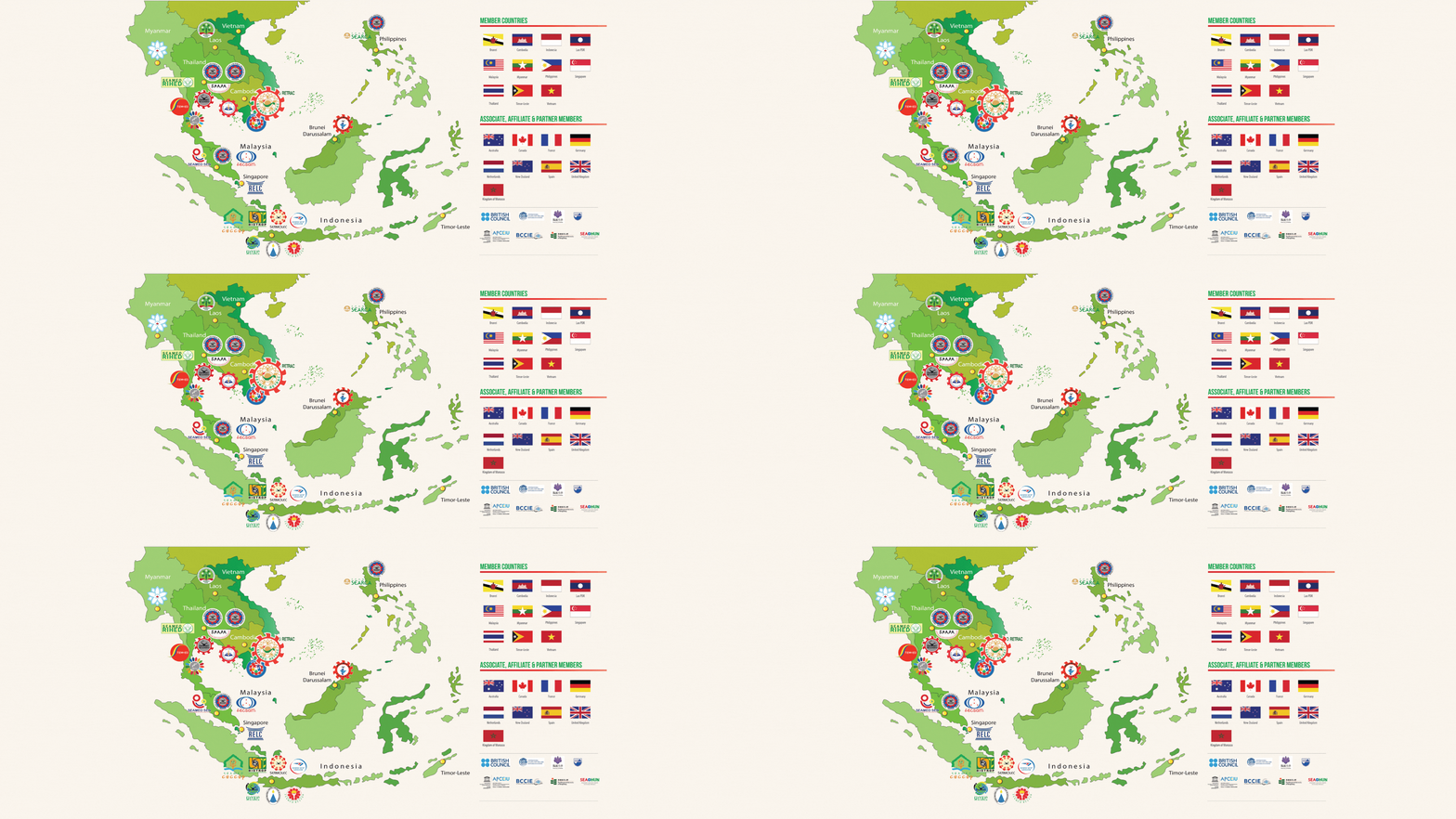
SEAMEO consists of 11 Member Countries:Brunei Darussalam, Cambodia, Indonesia,
Lao PDR, Malaysia, Myanmar, the Philippines, Singapore, Thailand, Timor Leste
and Vietnam; SEAMEO also has eight Associate Member Countries: Australia, Canada,
France, Germany, the Netherlands, New Zealand, Norway and Spain.
Vietnam, readmitted as a SEAMEO Member State on February 10, 1992, by the SEAMEO
Council, hosts the SEAMEO Regional Training Center (SEAMEO RETRAC) in Ho Chi Minh
City.
II. CENTER INTRODUCTION
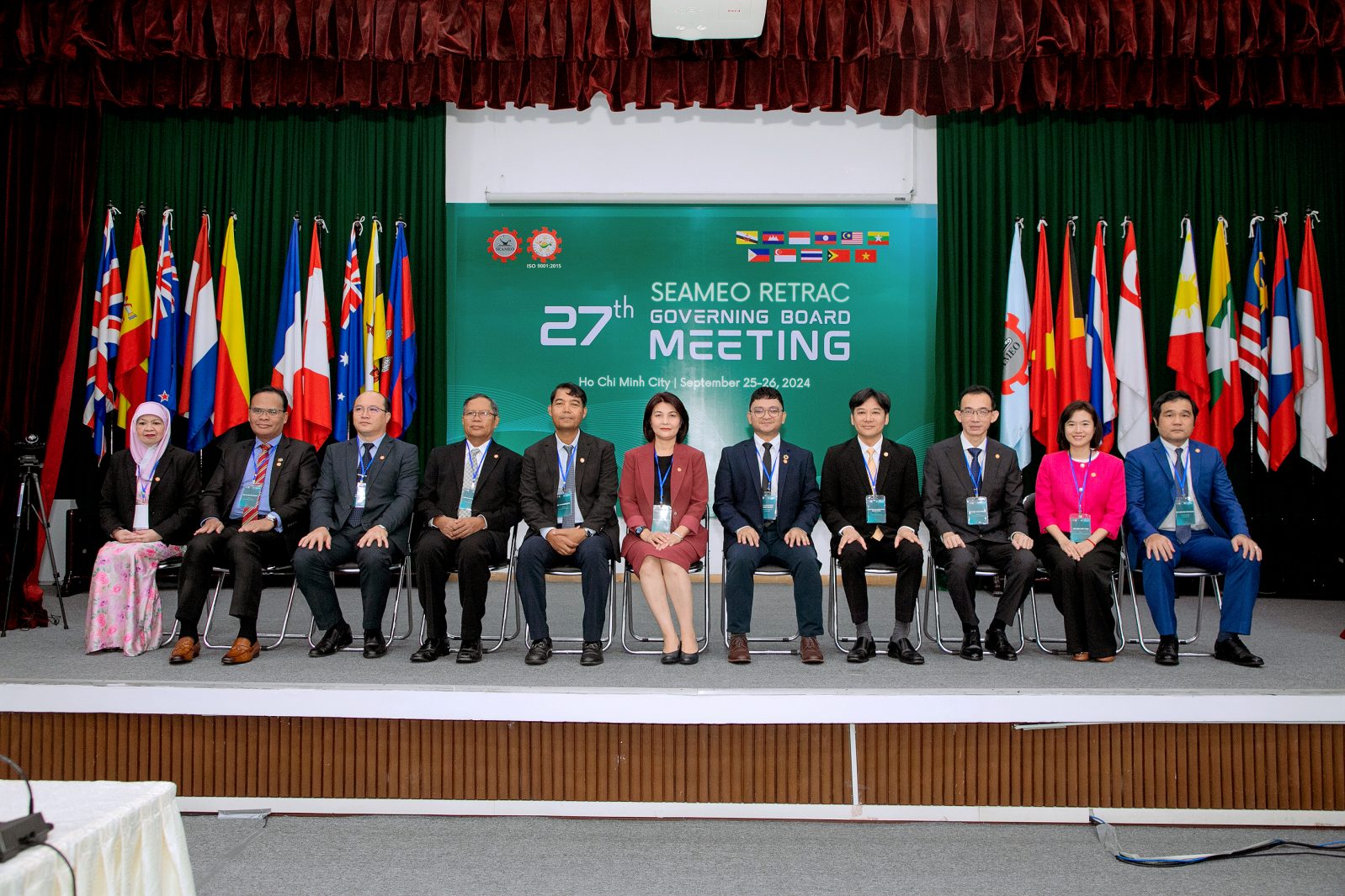
The SEAMEO RETRAC Governing Board is the main policy making body of the Center.
The Governing Board consists of one representative from each of the 11 SEAMEO
Member Countries. The Center is headed by a Director who is nominated by the Minister
of Education and Training of Vietnam, approved by the Governing Board, and officially
appointed by the SEAMEO Council President.
The Center is staffed by qualified professional, administrative and service personnel
working in the following departments:
- Division of Education
- Division of Technology
- Division of Foreign Studies
- Division of Research and Development
- Department of International Development and Overseas Study
- Department of Personnel & Administration
- Department of Accounting and Finance
- Department of Planning and Facility Management
- Library and Information Center
In addition, experts from donor governments, international organizations and
exchange programs from affiliated countries complement the permanent faculty/staff
under partnership agreements.
III. OPERATIONS
SEAMEO RETRAC assists SEAMEO Member Countries, especially Cambodia, Lao PDR,
Myanmar and Vietnam, to identify and tackle problems of leadership and management
in education at all levels. SEAMEO RETRAC directs its efforts on educational issues
by undertaking innovative, relevant programs through research, training, consultancy,
and staff exchanges and by fostering regional and international partnerships
and by engaging in other related activities within and outside the region. In
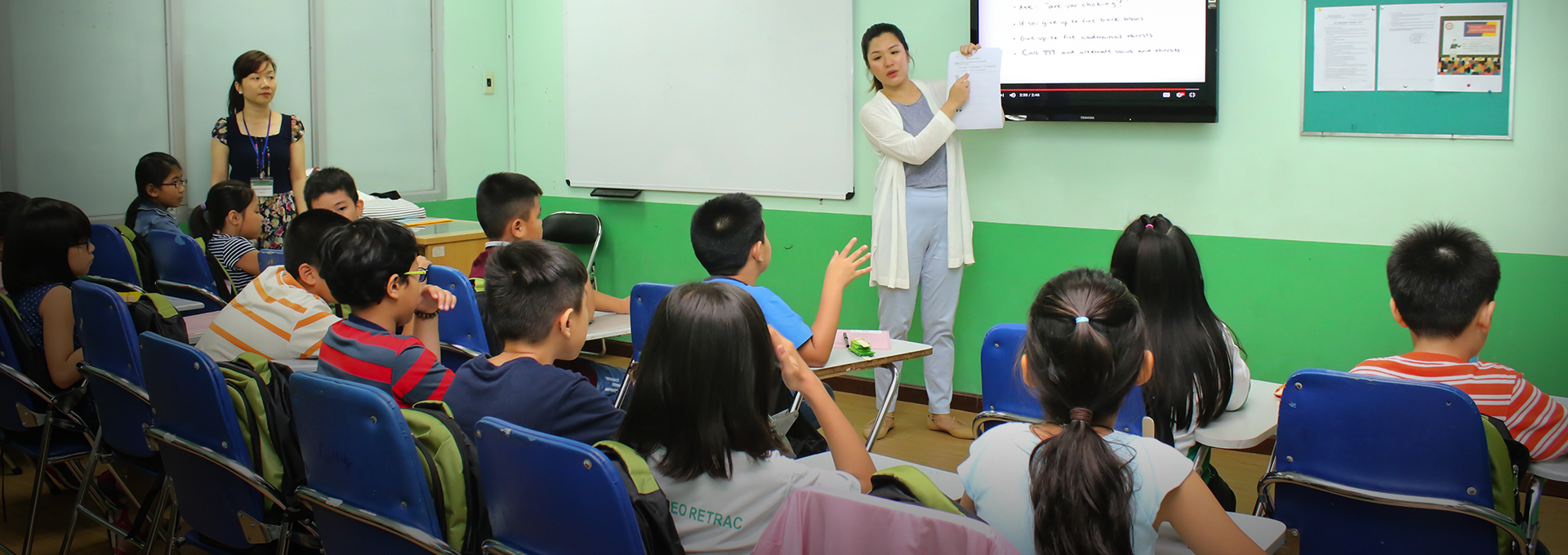
addition, SEAMEO RETRAC offers language training, teacher training, ICT and other
training programs customized to the learners’ needs.
Vision
Through the pursuit of excellence and the development of expertise, SEAMEO RETRAC
aims to become a leading regional center in the field of educational leadership
and management, serving all SEAMEO Member Countries and enhancing international
cooperation and partnership.
Mission
To assist SEAMEO Member Countries to identify and address issues of educational
leadership and management by providing such services as research, training, consultancy,
information dissemination, community service, networking and partnership.
Functions
In cooperation with local, foreign and international organizations, SEAMEO RETRAC
conducts:
- Training courses, workshops and conferences
- Research, consultancy, project development and information dissemination
- Study tours, personnel and student recruitment & exchange for educational,
scientific and cultural purposes.
Training approaches
- Critical thinking and creative problem solving
- Interactive, informal and based on experience sharing and practical learning
- Innovative learner-centered
- Flexible and cost effective
Facilities
Located in the heart of Ho Chi Minh City, Vietnam, SEAMEO RETRAC is the ideal
venue for local and international events in education and training. It is well
equipped with over 40 spacious, air-conditioned lecture rooms, meeting rooms,
a language lab, an advanced computer lab, an audio visual room, a library and
a conference hall which houses up to 150 people. Accommodations are provided upon
request.
IV. FUTURE ACTIVITIES
SEAMEO RETRAC focuses on upgrading its educational programs to a high-level standard
in connection with local and foreign institutions, and on expanding the participation
in these programs to all SEAMEO Member Countries and Sister Centers as well as
other international institutions. To this end, activities will include:
- Disseminating the use and management of information technology and communication
and new approaches to teaching and learning in education, particularly basic education;
- Evaluating educational management needs of the region through fact-finding from
needs and analysis surveys;
- Designing creative and adaptable training programs, courses and conferences to
bring to visibility identified issues in current education management theories,
practices and policies, on a regional and international scale; and,
- Assisting educational administrators, researchers and practitioners in the development
and implementation of improved educational management policies and practices.
Furthermore, SEAMEO RETRAC will continue to assist in the human resource development
of the region and foster mutual cooperation and partnership with the wider world
by:
- Researching and surveying the educational management issues;
- Conducting seminars, workshops and conferences on regionally specific issues
related to the SEAMEO RETRAC’s core thrust in educational management;
- Networking with related organizations/agencies and establishing linkages to serve
the above-mentioned goals and objectives; and,
- Developing a series of training courses on a variety of issues to serve the cause
of human resource development and initiate the supplying of human resources to
public as well as private sectors.